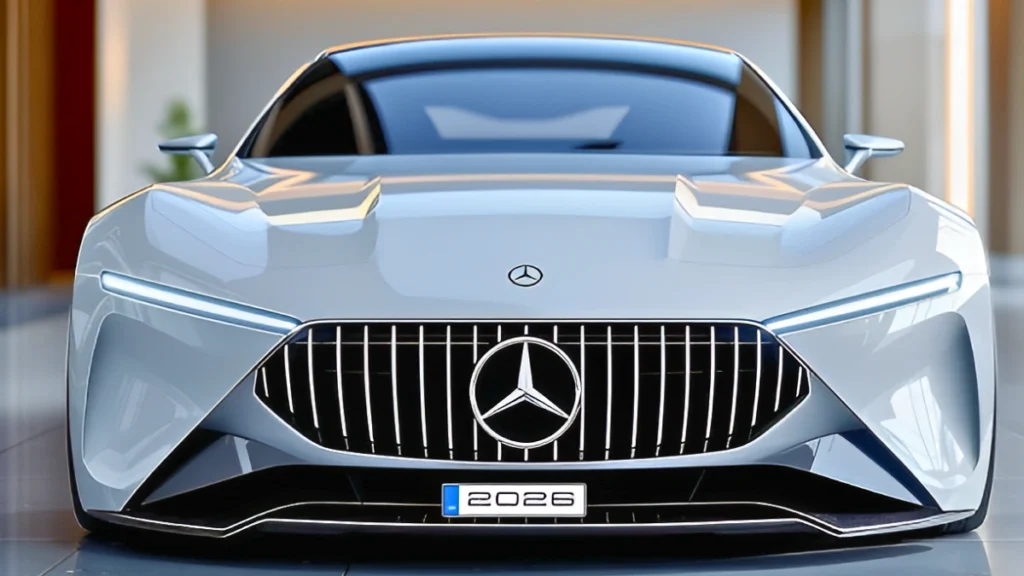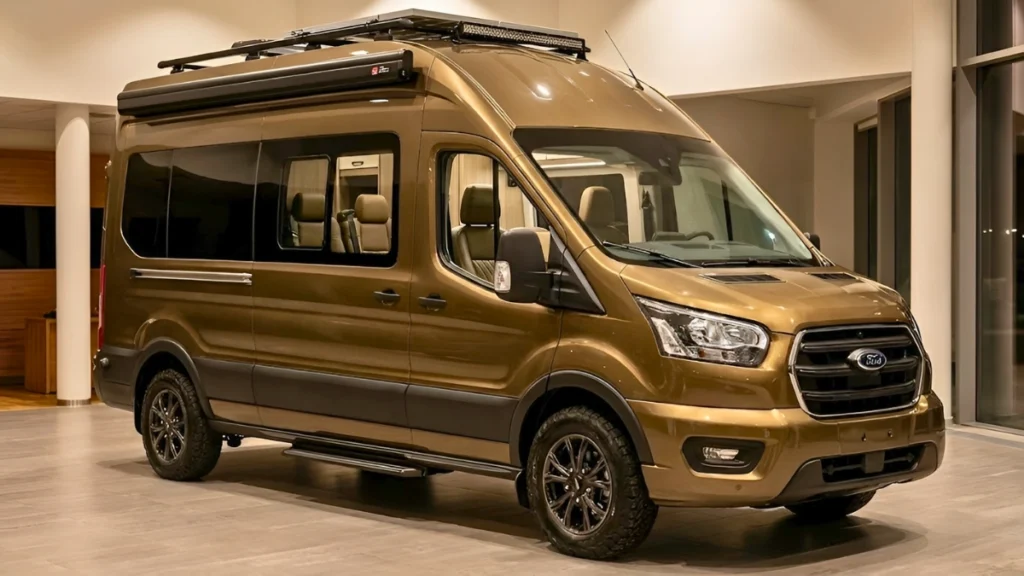
2026 Ford Transit Camper Review: For years, the Mercedes Sprinter has been the poster child of #VanLife. Scroll through Instagram, and it’s endless rows of silver stars parked by scenic cliffs. But let’s be honest: that premium badge comes with premium headaches. If you are planning a camper build in 2026, the landscape has shifted dramatically. The new 2026 Ford Transit has arrived with massive updates that challenge the German giant’s reign, offering a blend of capability, technology, and reliability that might just make it the smarter buy for your adventure rig.
Technology That Actually Connects
The days of squinting at tiny screens in commercial vans are officially over. Ford has completely overhauled the dashboard experience for 2026, making the 12-inch SYNC 4 touchscreen standard across the board. This isn’t just a pretty display; it is the command center for your entire mobile home. With a built-in 5G modem providing lightning-fast connectivity for up to 10 devices, digital nomads can finally say goodbye to sketchy hotspots. While the Sprinter’s MBUX system is flashy, Ford’s intuitive interface and seamless smartphone integration feel far more user-friendly for the modern traveler who needs to stay online off the grid.
Intelligent AWD Beats 4×4
Many van lifers assume you need a heavy-duty 4×4 system to get to the best campsites, but that is a costly misconception. The 2026 Transit’s Intelligent All-Wheel Drive system has been refined to offer exceptional traction without the bulky mechanical penalty of traditional four-wheel drive. It constantly monitors wheel slip and distributes torque instantly, keeping you planted on snowy mountain passes or muddy fire roads. Unlike the Sprinter, which often requires a complicated engagement process or sits much higher affecting stability, the Transit’s AWD is always on, providing confidence-inspiring handling that feels more like a secure SUV than a lumbering cargo truck.
Maintenance You Can Afford
One of the terrifying realities of owning a Sprinter is the “limp mode” nightmare when you are hundreds of miles from a dealership. Mercedes parts are expensive, and qualified diesel mechanics are rare in small towns. The 2026 Ford Transit flips this script entirely. Powered by the ubiquitous 3.5L V6 (or the powerhouse EcoBoost), this engine is familiar to almost every mechanic in North America. You can pull into a NAPA Auto Parts in rural Idaho and likely find what you need on the shelf. The lower cost of routine maintenance—oil changes, brakes, and tires—means more money stays in your travel fund rather than the mechanic’s pocket.
EcoBoost Power Is Thrilling
If you have never driven a twin-turbo EcoBoost Transit, you are missing out on one of the most surprising driving experiences in the van world. The 2026 model continues to offer this beast of an engine, pumping out 310 horsepower and a massive 400 lb-ft of torque. Merging onto highways or climbing steep grades fully loaded becomes effortless, a stark contrast to the often sluggish acceleration of diesel competitors. This gas engine provides immediate throttle response that makes driving a heavy camper feel surprisingly agile. You won’t be holding up traffic in the slow lane; you’ll be passing it.
Interior Height and Dimensions
A common critique of the Transit has been its interior dimensions compared to the boxier Sprinter, but the gap is narrower than you think. The High Roof Transit offers plenty of standing room for anyone under 6’5″, and the slightly wider body at the waistline allows for “east-west” bed sleeping configurations that save precious floor space. For 2026, Ford has optimized the cargo area to be more “upfit-ready” than ever, with pre-drilled mounting points and better square footage utilization. You get a squarer canvas to build your dream layout without the curvature headaches that often plague other van models.
Safety Comes Standard Now
Safety features used to be expensive add-ons, but Ford has democratized driver assistance for the 2026 model year. The Co-Pilot360 suite is now standard, giving you critical protections like Pre-Collision Assist, Lane-Keeping System, and auto high beams right out of the gate. For a camper van that will likely be driven long distances through varying levels of fatigue, these systems are lifesavers. Options like the 360-degree camera make parking a 22-foot vehicle in a crowded Trader Joe’s parking lot significantly less stressful. It protects your investment and, more importantly, your passengers.
The Gas vs Diesel Debate
The allure of diesel range is strong, but modern gas engines have closed the efficiency gap while avoiding modern diesel emission complexities. The 2026 Transit’s gas powertrain means you never have to worry about finding DEF fluid or dealing with clogged DPF filters—common failures in modern diesel engines that idle frequently. Furthermore, gas heaters (like Webasto or Espar units) are easier to tap directly into the main fuel tank, simplifying your build. While a diesel Sprinter might eke out a few more miles per gallon, the cheaper price of regular unleaded gas often balances out the operating costs over the long haul.
Telematics for Remote Work
Ford Pro Telematics isn’t just for fleet managers anymore; it is a game-changer for solo travelers and couples. This system allows you to monitor your vehicle’s health in real-time through an app, checking tire pressure, oil life, and location status from your phone. For 2026, Ford has enhanced these features to include security alerts, notifying you if someone tries to open your van while you are hiking miles away. This peace of mind is invaluable when your entire life is parked at a trailhead. It turns your van into a smart, connected safe house rather than just a vehicle.
Resale Value and Availability
Finally, let’s talk about the buying process itself. Finding a 4×4 Sprinter often involves year-long waitlists and dealer markups that can make your eyes water. The Ford Transit is produced in higher volumes, meaning availability is generally better, and pricing is far more transparent. While Sprinters historically held high resale value, the high cost of out-of-warranty repairs is starting to dampen that demand. Conversely, the market for used Transits is exploding as buyers realize the long-term ownership costs are manageable. Buying a 2026 Transit is not just a purchase; it is a liquid asset that is easier to sell when your van life chapter ends.
Conclusion
The Mercedes Sprinter will always have its die-hard fans, but the 2026 Ford Transit has objectively closed the gap and, in many ways, surpassed it. With superior connectivity, a robust and widespread service network, a potent gas powertrain, and a standard suite of safety tech, it offers a less stressful ownership experience. You get to spend less time worrying about specialized maintenance and more time enjoying the freedom you built the van for in the first place.
Final Word: 2026 Ford Transit Camper Review
If you prioritize status and extreme off-road clearance, buy the Sprinter. But if you want a reliable, high-tech, and cost-effective home on wheels that can be serviced anywhere in the country, the 2026 Ford Transit is the undisputed king of the road.